
Top 10 Considerations Before Buying a Modular Garden Building
Buying a modular-style garden building is a considered decision. While prefabricated construction can simplify the build process, the right outcome still depends on clear planning and informed choices. This guide is designed as a practical checklist, highlighting the key factors that are often overlooked.
1. What Do You Need the Building For?
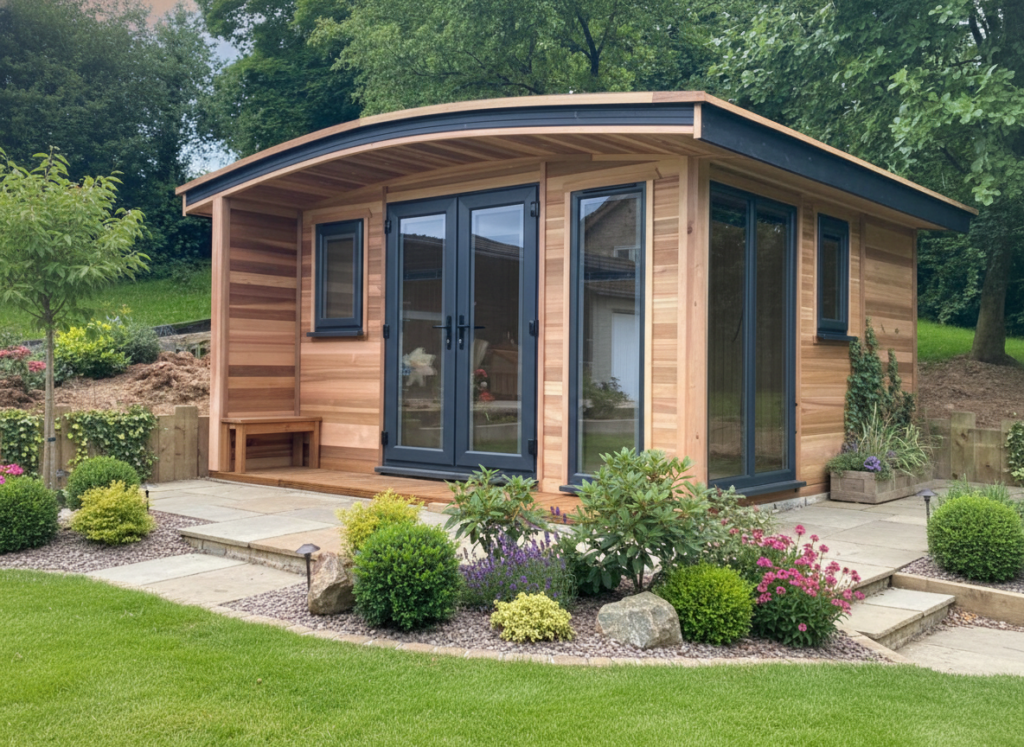
Before thinking about size or appearance, it’s important to be clear on how the building will be used. A home office, a studio, storage space, or a business setting will all place different demands on layout, insulation, and services. Usage also influences whether planning rules or building standards apply.
2. Planning Permission and Permitted Development
Many garden buildings fall under permitted development, but this should never be assumed. Rules vary depending on factors such as height, position within the plot, intended use, and the type of property. Location also matters, particularly for listed buildings or conservation areas.
For more information, you can browse our dedicated planning guide →
3. Build Quality and Construction Method
Build quality is shaped by the materials used and how the walls, floor, and roof are constructed. In prefabricated garden buildings, consistency matters. Components produced in controlled conditions are less affected by weather or on-site variation, helping maintain uniform standards throughout the build.
4. Insulation and Year-Round Use
Not all garden buildings are designed for regular, year-round use. Insulation levels play a key role in comfort and running costs, particularly where the space will be used daily. Thermal performance should be matched to how often the building will be occupied and for how long.
A well-insulated structure will be easier to heat, more stable in temperature, and more economical to run, making it suitable for sustained use rather than occasional access.
5. Groundwork and Site Preparation
Modular-style construction simplifies the build, but it doesn’t remove the need for proper groundwork. A suitable, level base is essential for installation and long-term performance. Ground conditions, access for machinery, and drainage can all affect preparation time and cost.
Understanding what’s required at the site stage helps avoid delays and unexpected expenses.
6. Access and Installation Constraints
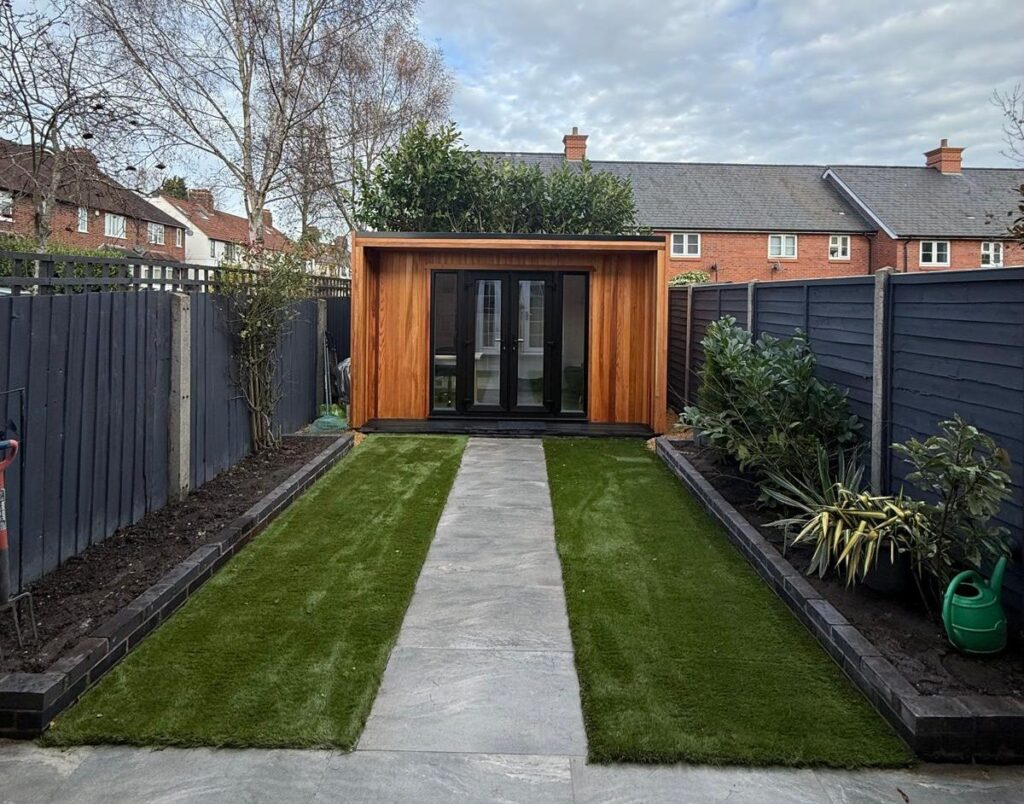
7. Timeline and Installation Process
A clear timeline helps set realistic expectations. Before delivery, key details such as specifications, groundwork, and access should already be agreed upon. Installation itself is typically concentrated into a short, defined period, with most activity happening over one or two days rather than weeks.
8. Customisation and Future Flexibility
A modular-style building should be able to adapt over time. Layout, window positions, doors, and internal finishes all influence how easily the space can change as needs evolve. Thinking ahead helps avoid outgrowing the building too quickly.
A well-considered level of customisation can extend its useful life, supporting better value over time rather than requiring costly changes or replacement later.
9. Ongoing Maintenance and Longevity
All buildings require some level of maintenance, and modular-style garden buildings are no different. Timber finishes, roofing materials, and external elements benefit from periodic care to preserve appearance and performance. Build quality plays a key role here. Well-constructed buildings age more predictably and are easier to maintain over time.
Viewing maintenance as part of long-term ownership helps protect the investment rather than it becoming an unexpected burden.
Have a garden pod you’re looking after? Check out our maintenance checklist →
Or for learning how best to take care of a timber garage, you can follow our guide →
10. Total Cost vs Long-Term Value
The initial price is only part of the overall cost. What’s included in the specification, from construction quality to installation, can vary widely. A cheaper option upfront may lead to compromises or added expense later. To help you plan more wisely, we offer a free online builder. This displays your overall price in real time and allows you to see your finished design in 3D.
Making a Confident, Informed Decision
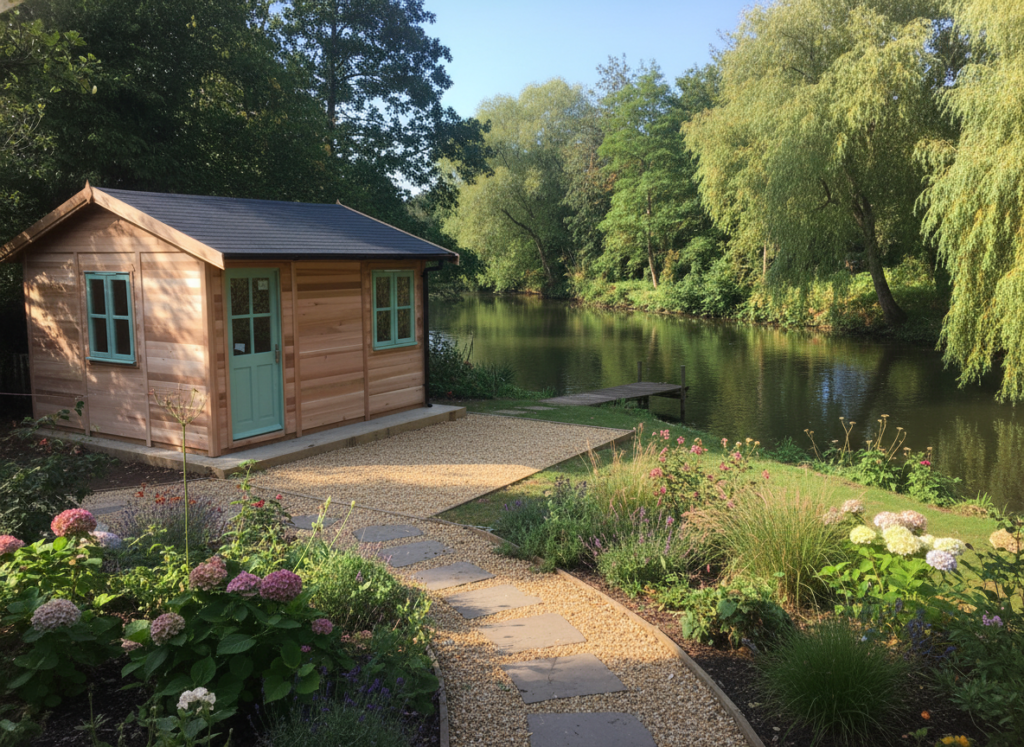
Choosing a modular-style garden building is easier when decisions are made with clarity rather than haste. By considering use, quality, planning, access, and long-term value, buyers can avoid common pitfalls and set realistic expectations from the outset.
Our approach reflects this way of thinking, combining prefabricated construction with careful planning to deliver buildings that are practical, consistent, and built to last.
FAQs: Buying a Modular Garden Building
Can I customise the layout of a modular garden building?
Yes. We offer fully customisable layouts, including door and window positions, cladding, flooring, and electrics. You can build and price your design in real time using our online configurator.
How much space do I need around a garden building for installation?
We typically require at least 600mm of clearance around the building to install it properly. If access is restricted, we can advise on alternative installation methods or building adjustments.
What type of base is needed for a modular garden building?
A level concrete pad or paving slab base is ideal. Ground screw foundations are also an option on selected models. The base must be flat, smooth, and built to precise dimensions – we’ll provide guidance on this as part of your order.
Can I install a modular garden building in a terraced house garden?
Yes, provided there’s a straight-line route from the front to the back garden. If access is tight or unclear, we recommend sending us a video of the path so we can confirm feasibility before you order.
How long do modular buildings typically last?
With proper care and periodic maintenance, our timber buildings can last well over 25 years. Many customers return decades later for a re-roof, confident the structure itself will last even longer.
What maintenance is required?
Key maintenance includes keeping gutters clear, treating external cladding as needed, and checking doors and windows for seasonal movement. These steps help preserve both appearance and structural performance.
What’s the difference between a cheaper garden room and one from Warwick Buildings?
Cheaper builds often compromise on insulation, structural quality, or weatherproofing. Warwick Buildings uses premium materials, pre-fitted electrics, and precision-made panels to deliver a building that’s ready to use and built to last.
Are modular buildings energy-efficient enough for year-round use?
Yes – our buildings exceed typical shed or summerhouse standards. With PIR insulation and double glazing as standard, they achieve U-values comparable to new-build homes.